PCB Adapter: Types, Working, Applications, and Complete Technical Guide
Overview
Introduction
A PCB adapter is a small but very useful tool in the world of electronics. It allows different types of circuit boards, modules, or integrated circuits to work together even if their shapes, pin layouts, or sizes do not match. In simple words, a PCB adapter acts like a bridge that makes two parts compatible with each other.
Imagine you have an advanced integrated circuit in a package that does not fit on a breadboard or a traditional PCB. Without an adapter, it would be difficult to test or use that component. But with a PCB adapter, you can easily connect it and continue with your project. This is why PCB adapters are considered essential for students, engineers, professionals, and hobbyists who regularly deal with electronic components.What is a PCB Adapter?
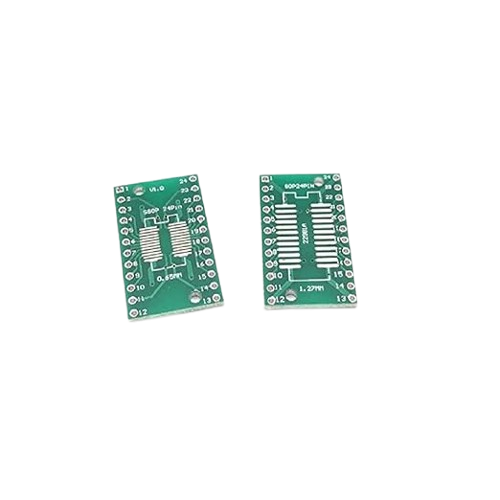
A PCB adapter is a small printed circuit board designed to change the format of one type of component or connector into another. Its main job is to convert pin configurations, package types, or connection styles so that the component can be used without any difficulty.
For example, modern ICs often come in surface-mount packages that cannot be directly inserted into a breadboard. A PCB adapter allows you to solder that chip onto the adapter board, and then use it in a breadboard or a through-hole PCB. This saves both time and money while making your design more flexible.
Types of PCB Adapters
There are different types of PCB adapters depending on their purpose. Some of the most common types are:1. DIP to SMD Adapter
This type converts surface-mount devices (SMDs) into a dual in-line package (DIP) format. It is one of the most widely used adapters because many small ICs only come in SMD packaging.
-
Example: A SOP8 to DIP8 adapter is commonly used for memory chips like EEPROMs or operational amplifiers.
2. Pin Header Adapters
Pin header adapters are used to extend or rearrange pin connections. They are very common in development boards and sensor modules.-
Example: A female-to-male header adapter that helps in connecting Arduino shields or other expansion boards.
3. Module Adapters
These adapters are designed for specific electronic modules. They make it easier to integrate popular modules like memory modules, wireless boards, or display units into a larger circuit.4. Voltage Level Shifting Adapters
In modern electronics, not every device works on the same voltage level. A voltage level adapter converts signals between 5V and 3.3V devices, ensuring safe communication between them.5. Socket Adapters
Socket adapters allow ICs to be tested or replaced without soldering. They are often used in labs and industries where chips need to be swapped frequently.6. Power Supply Adapters
These adapters are used for adapting power connectors or regulating voltage levels before supplying current to a circuit.How Does a PCB Adapter Work?
The working principle of a PCB adapter is very simple but effective.- The component or module is placed or soldered onto the adapter board.
- The adapter board rearranges the pins or connections into a more usable format.
- The output from the adapter can then be connected to a breadboard, another PCB, or directly into the circuit.
Features of PCB Adapters
PCB adapters may look small, but they are built with important features such as:- Compact and durable design
- High-quality copper tracks for better conductivity
- Support for multiple package sizes like SOP, TSSOP, QFN, and DIP
- Easy to use in both prototyping and testing
- Affordable and widely available
- Compatible with a variety of electronic devices
Applications of PCB Adapters
PCB adapters are extremely versatile. Some of the key applications include:-
Prototyping and Development: They allow engineers to test SMD ICs on breadboards.
-
Education and Training: Students can experiment with modern chips without redesigning a PCB.
-
Repair and Maintenance: Adapters make it easier to replace faulty chips without changing the whole design.
-
Industrial Electronics: Used to connect different modules or convert connectors in machinery.
-
Consumer Electronics: Help in upgrading or modifying small devices and gadgets.
Advantages of Using PCB Adapters
The main benefits of using PCB adapters include:- Save time during circuit design and testing
- Reduce the need for custom PCBs in the early stages of development
- Allow flexibility in using different types of ICs
- Cost-effective solution for small projects and prototypes
- Improve the overall reliability of circuits by ensuring proper connectivity
Example of a PCB Adapter in Real Use
Let’s take the example of the 24C02 EEPROM chip, which is usually available in an SOP8 package. Since this package cannot be placed directly on a breadboard, engineers use a SOP8 to DIP8 PCB adapter.
- The chip is soldered onto the adapter board.
- The adapter rearranges the pins into DIP format.
- The DIP pins are then inserted into a breadboard for testing.
Buying Guide for PCB Adapters
When you are planning to buy a PCB adapter, keep the following points in mind:-
Package Compatibility: Make sure the adapter supports the IC package you are using (SOP, DIP, TSSOP, QFN, etc.).
-
Pin Count and Pitch Size: Always check the number of pins and spacing.
-
Build Quality: Choose adapters with strong PCB material and plated holes.
-
Electrical Rating: Ensure the adapter can handle the voltage and current requirements.
-
Ease of Use: Pick adapters that are designed for quick installation and testing.
Conclusion
A PCB adapter is one of the most practical tools for anyone working with electronics. It is not only useful for students and hobbyists but also for professionals in industries where circuit development and testing are part of daily work.
From adapting SMD chips to DIP packages, converting pin layouts, or simply making modules breadboard-friendly, PCB adapters make life easier for anyone dealing with electronic circuits. Their ability to save time, reduce costs, and provide flexibility makes them an important part of every electronic lab and workshop. By understanding their types, working, and applications, you can select the right adapter for your projects and make your designs more efficient and reliable.Where to Buy
Prices may vary. Click on "Buy Now" to check current availability and pricing.
Administrator
Frequently Asked Questions
Common questions about PCB Adapter: Types, Working, Applications, and Complete Technical Guide. Find answers to the most frequently asked questions.
User Reviews & Comments
Share your experience with this IoT Blog. Your feedback helps our community make informed decisions!
Share Your Experience
Help others by sharing your thoughts about this IoT Blog.
Related Blogs
Explore more IoT Blogs in the same category
Resistors in IoT: Types, Applications, Selection Guide, and Circuit Examples
Supporting Components
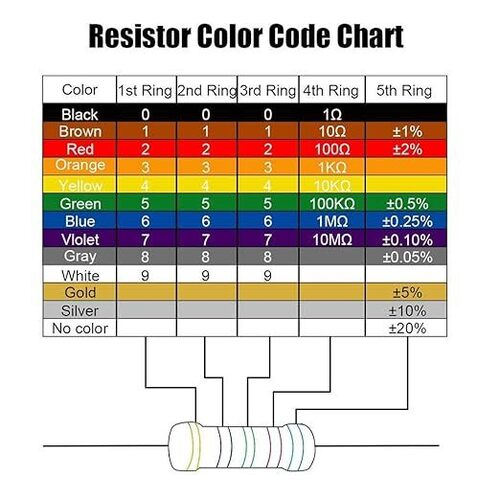
Resistors are essential components in IoT circuits, helping control voltage, current, and signal flow. This guide explains the types of resistors, their functions, how to choose the right resistor for your IoT project, and real circuit examples. Learn how resistors improve reliability and performance in connected devices.
PC817 Optocoupler: Working, Pinout, Circuit, Applications, and Selection Guide
Supporting Components
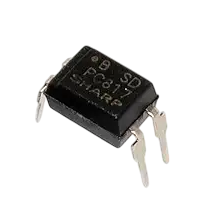
PC817 is a widely used optocoupler that provides electrical isolation between input and output using an internal LED and phototransistor. This guide explains its working principle, pinout configuration, circuit connection, and real-world applications in automation and safety systems. Whether you're designing a power supply or a microcontroller interface, PC817 offers a reliable solution for signal isolation.
Diodes Explained: Types, Working, Applications, and Selection Guide for Electronics Projects
Supporting Components
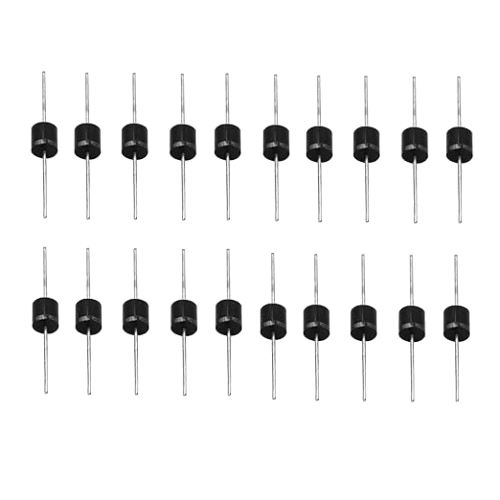
Discover everything about diodes in electronics — from types and working principles to real-world applications and how to choose the right diode for your project. This comprehensive guide simplifies diode selection and usage, making it perfect for students, hobbyists, and professionals. Enhance your electronics knowledge with trusted and clear information.
No Reviews Yet
Be the first to share your experience with this IoT Blog!